

Places That Speak
Over the past six weeks at The Brown Homestead, photographer and visual storyteller Ingrid Forster has led eleven participants through lessons on photographing spaces. This article explores what participants learned about the medium of photography, what it can offer to the field of heritage conservation, and how a creative approach to documenting places can benefit ourselves, heritage sites, and our community.
Heritage Sites and The Early Uses of Photography
Early on in Ingrid Forster’s photography course, participants learned that the development and rapid evolution of photography throughout the 19th century coincided with and was in some ways influenced by a growing desire to document buildings, monuments, and cultural heritage sites around the world. Prior to photography, our understanding of what distant places and historic structures looked like relied largely on drawings, paintings, and various manual printing techniques.
The development of the daguerreotype excited early scientists because of its potential to document artefacts, ancient architecture, and early representations of language. [1] The Book Antiquity & Photography: Early Views on Ancient Mediterranean Sites showcases some of the earliest photographs of historic Mediterranean archaeological sites and monuments. The photographs throughout the book were all taken within the first forty years following the invention of photography. These early images demonstrated how photographic documentation proved to be particularly valuable for its ability to show “how an ancient site fit into its geographical and topical surroundings” as well as “its precision in rendering detail.” [2] This remains true today.
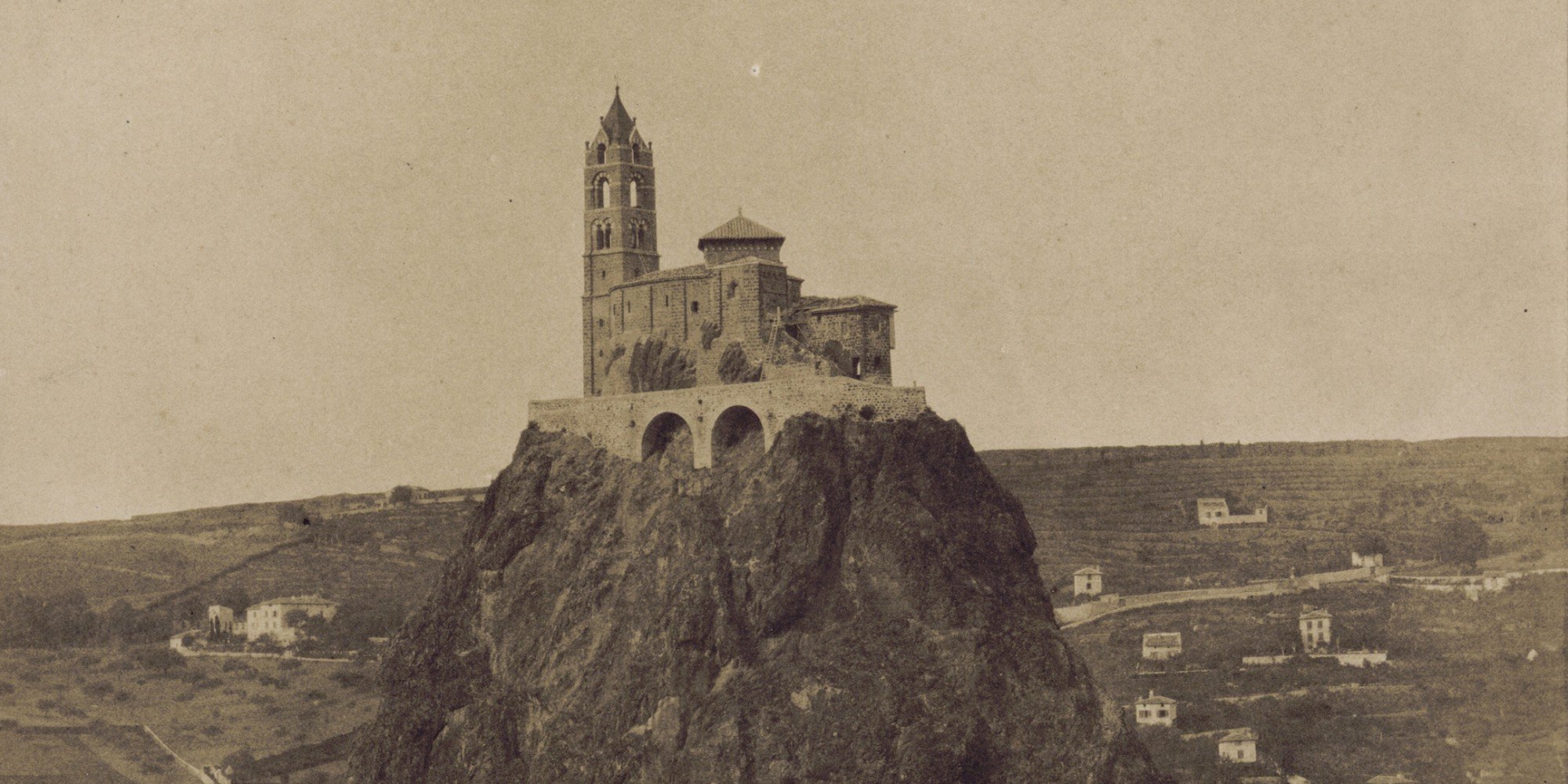
“Overview of the city of Le Puy” from the National Library of France, accessed from BnF Essentiels, “Le Gray and the Heliographic Mission”.
Another early and significant project documenting historic sites and monuments took place in France in 1851, known as Mission Héliographique. Commissioned by the French Commission des Monuments Historiques, a group of five early photographers of the Heliographic Society were directed to document "buildings of particular historical and architectural importance or in need of urgent restoration, as well as those in which work is already underway,” in order to compile a vast inventory of significant sites across France. [3]
As discussed in Ingrid’s photography course, it is important to acknowledge that while these projects were invaluable for the documentation and conservation of historic sites and monuments, in the early years of photography the practice was expensive and only accessible to a select few. Projects were often commissioned by private investors or government bodies. This impacted both what was documented and how things were represented, as well as who had the opportunity to do so. As the medium of photography became more accessible, it expanded the subject matter, the stories captured, and who was able to document them.
Today, photography remains a crucial tool for conservators. It allows for a visual record of our built environment to be kept, including current conditions, the evolution of sites, and documentation of conservation methods and results. Photographic technology has continued to grow exponentially over time, allowing for even more detailed documentation of heritage sites. For example, photogrammetry now offers us the ability to create highly detailed 3D renderings, which can be further explored using augmented or virtual reality. [4]
Creative Documentation of Places
While the technical documentation of built sites is essential in the field of heritage conservation, in the Places that Speak photography workshop at The Brown Homestead the focus was on using photography to capture the essence, atmosphere, or feeling of a place. A more creative approach to documenting places, one could argue, is equally as valuable when it comes to understanding and conserving our cultural and heritage spaces. As one participant wrote:
“Values in heritage are increasingly considered in relation to the communities that use these spaces, and community meanings are layered. Photos taken from a more creative approach can capture these intangible qualities and shared/contrasting narratives, emphasizing how diverse people interact with and cherish their heritage.”
Photo captured by photography workshop participant Ellen Siebel-Achenbach.
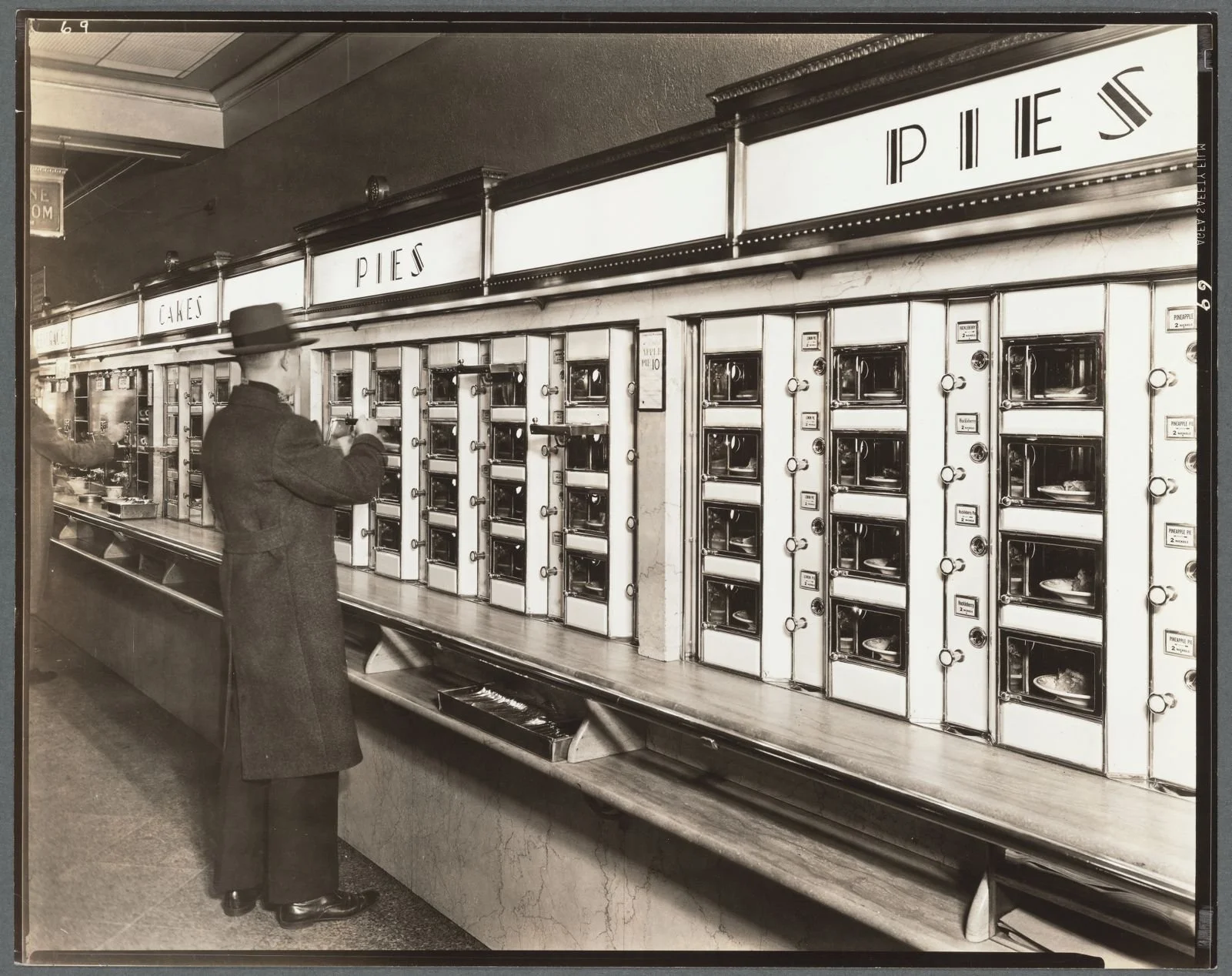
The Miriam and Ira D. Wallach Division of Art, Prints and Photographs: Photography Collection. "Automat, 977 Eighth Avenue" New York Public Library Digital Collections. 1936.
As we progressed through the course, we looked at the works of Eugène Atget and Berenice Abbott and their photographs of Paris and New York. Going beyond straight documentation, these were two photographers who used the medium creatively to be able tell more intimate stories about the places they loved. In the documentary Berenice Abbott: A View of the 20th Century exploring Berenice’s life and career, she speaks on photographing New York City, remarking that “it expresses people, more than people itself.” [5] Our physical spaces have been impacted and experienced over time by a myriad of people in varying ways. Buildings are able to and often do hold both tangible and intangible remnants of the diverse, layered and complex stories of the human experience.
Now, how do you capture that in a photograph?
Visual Storytelling in Practice
Ingrid Forster has been making images for over 25 years and has experienced first hand how photography can also impact our own personal relationship with a place.
Over the course of six weeks during our Places that Speak photography workshop, the participants aimed to learn how to answer the question posed above. The goal was to create a cohesive series of 6-10 images that tell a story about a place, building, or heritage/historical site they feel drawn to, and to study this place closely through photography. Participants were asked to show the viewer the soul of the place and why it spoke to them, through their photographs. Thankfully, Ingrid eased participants into what initially felt like a monumental undertaking, curating thoughtful assignments throughout the course to allow them to experiment and practice with different aspects of visual storytelling.
“Ingrid showed us an assortment of remarkable images that revealed how photographers’ choices can shape a story. The postcard assignment helped me see this more clearly, especially when I worked with the old postcard of a church on Queenston Street. Through Ingrid’s guidance, we explored how light and different times of the day can shape a stronger impression, and how adjusting the camera settings can guide the viewer’s eye.”
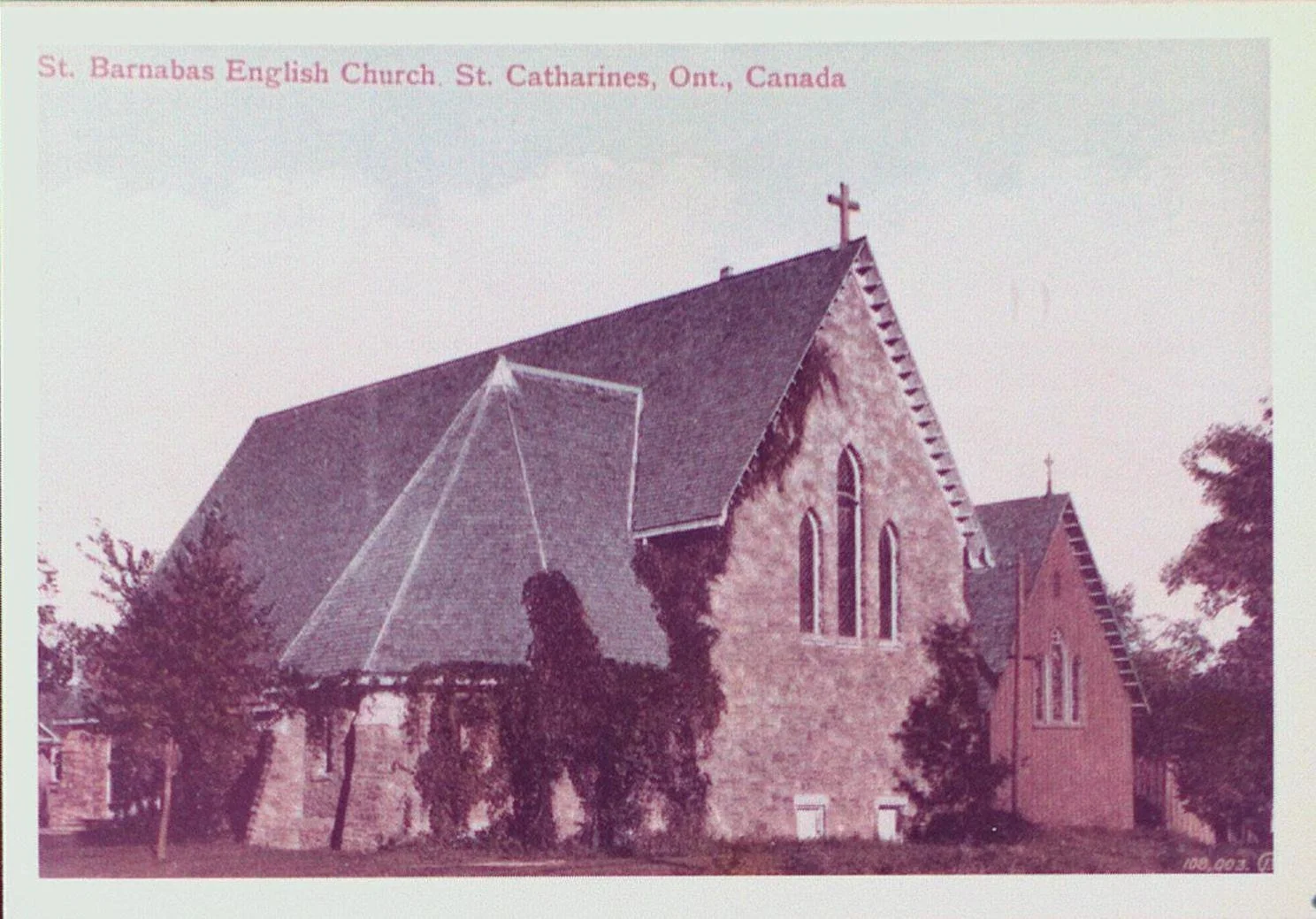
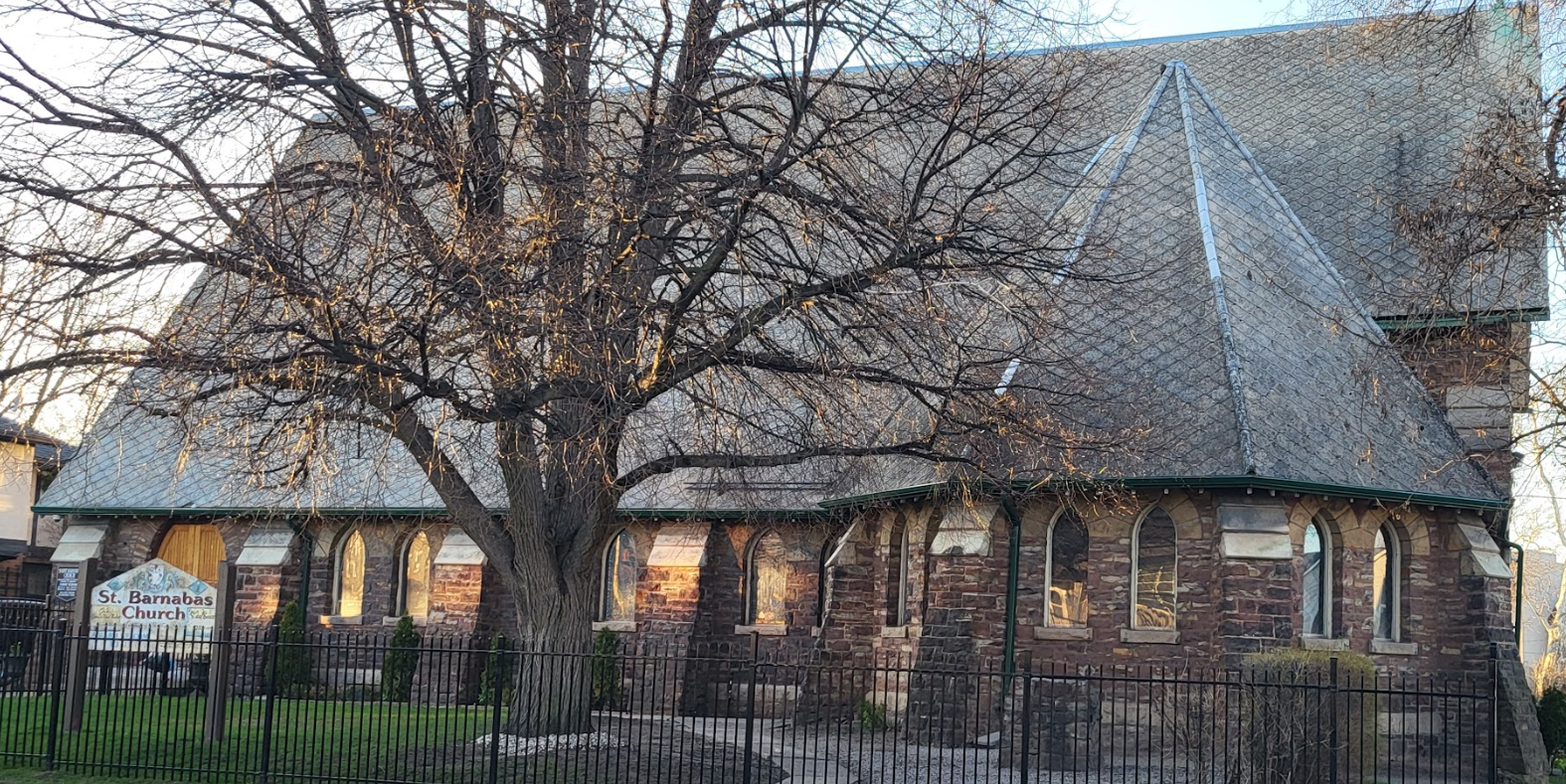
One of the first assignments was to select a historic postcard or picture of a local site and then make an image of the site today. Participants were asked to reflect on the following question. If you could only send one image back home to represent this place you are visiting, what would you want it to include? This encouraged participants early on in this journey to slow down, take time to observe, and be more intentional on what was in frame.
As participants became more observant of the places they chose to photograph, Ingrid introduced different techniques and perspectives that could be used to creatively highlight elements within a space. She explained how capturing subjects from varying angles and distances can help tell a fuller story, and how light and shadow can be used creatively to evoke particular moods or emotions. She also encouraged participants to select a place they could return to regularly, noting that the time of day can reveal different aspects or opportunities to capture a place's larger story.
As the classes progressed and participants spent more time in the place they were photographing, new appreciation, areas of interests, and understandings of spaces started to form for participants:
“I found myself being drawn to overlooked viewpoints of the property I was photographing [The Brown Homestead]. I found myself wanting to capture the site through the tire swing, thinking about one way in which a child may have once looked at the site, or how the Norton Cabin looks through the back window of the Dairy.”
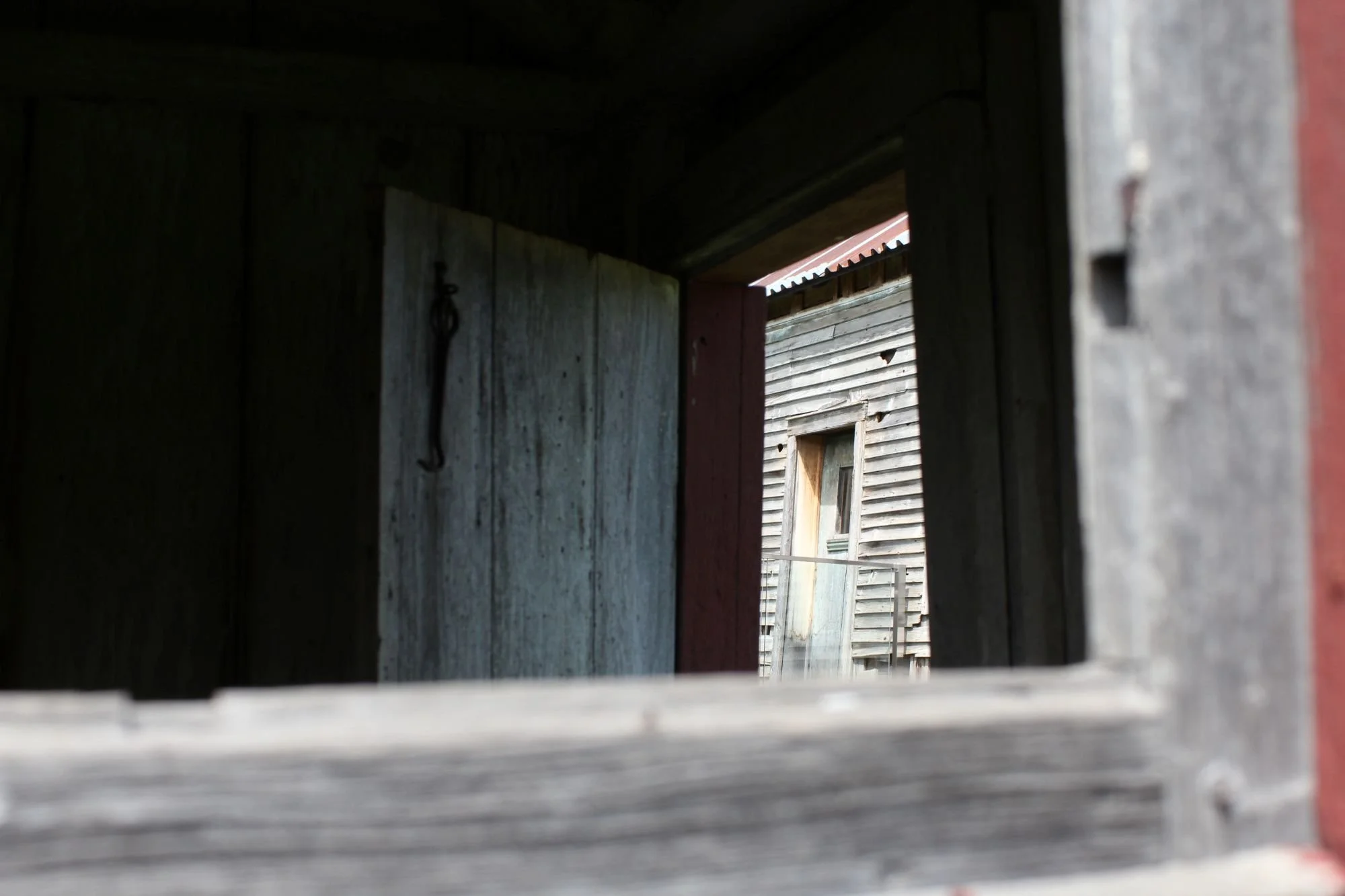
Photo captured by photography workshop participant Joanne Jones.
Photography and visual story telling encourage us to slow down and observe, increasing our understanding of various places. Our built environments, their evolution, and even their deterioration can often reflect the priorities of communities over time. To take the time to understand a place, is to also appreciate its past and present inhabitants.
Participants focused on a variety of spaces throughout the course, — a community church, a historic site, and even a grandparent’s house, exploring through photography what makes these places significant or meaningful to themselves or their community.
If you would like to see the places that spoke to the participants who took the course, our Places That Speak exhibit will be on display from May 21-30, here at The Brown Homestead. We are grateful to Smokestack Studio for generously providing all the prints for this exhibition.
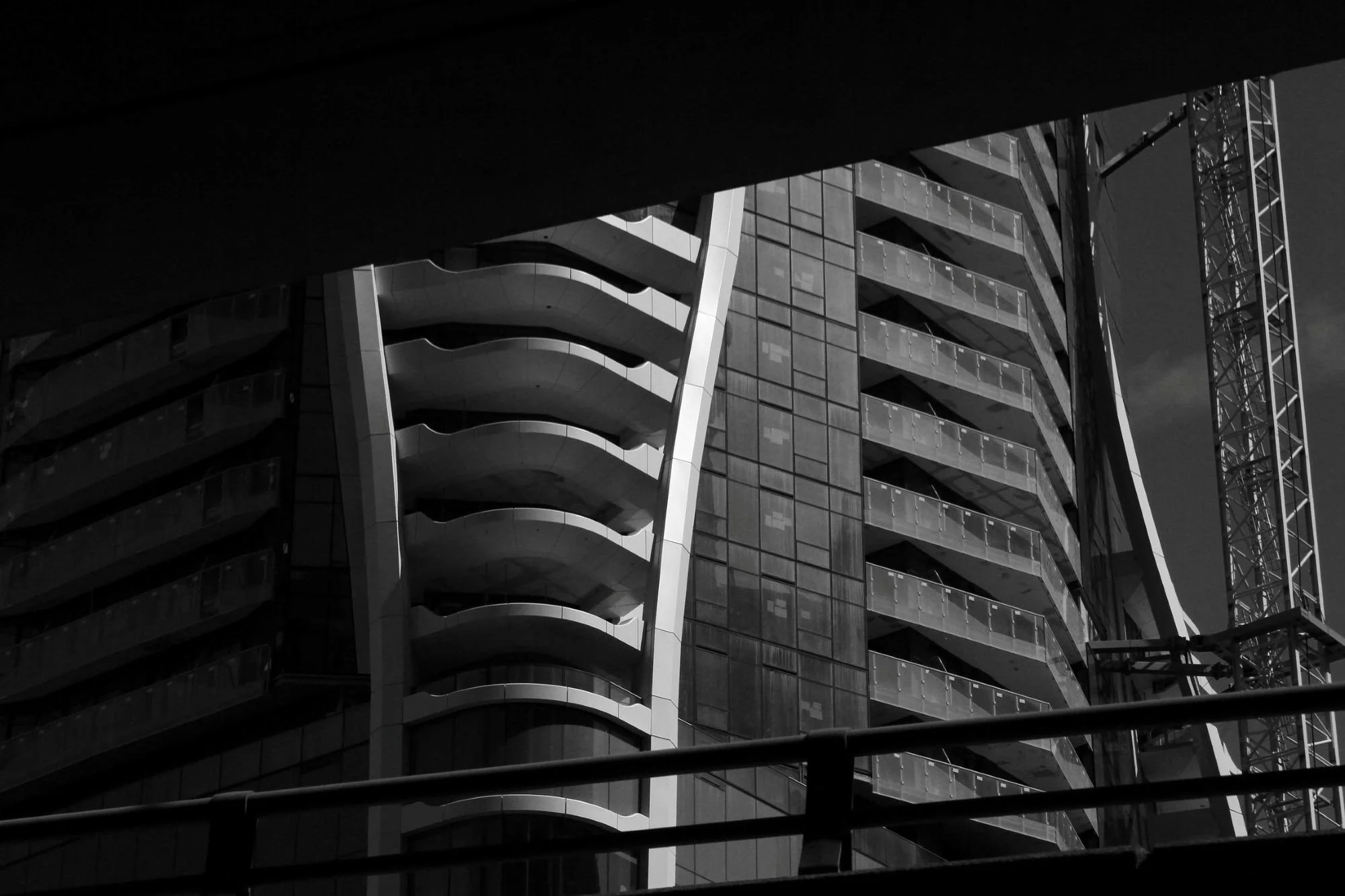
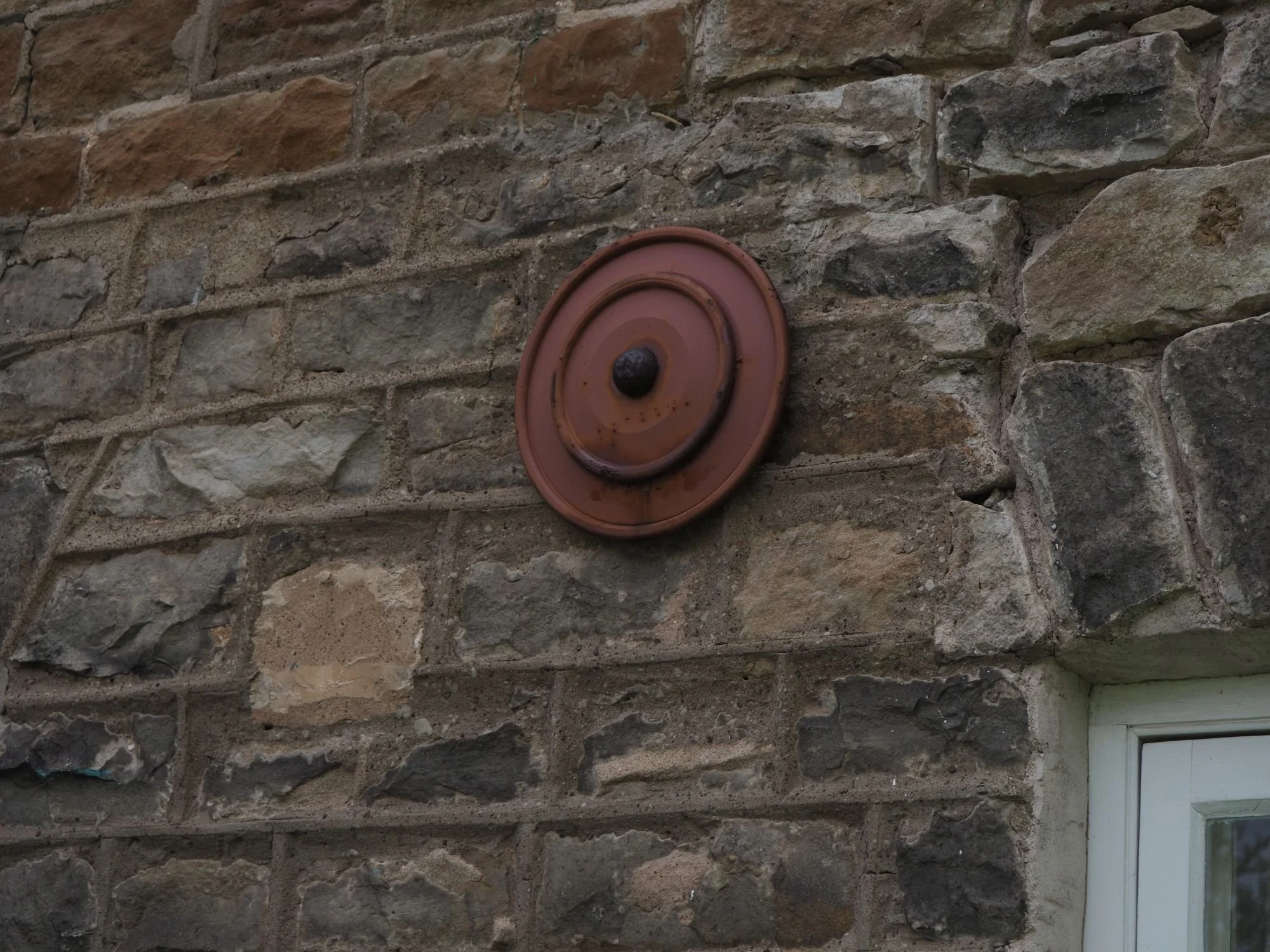
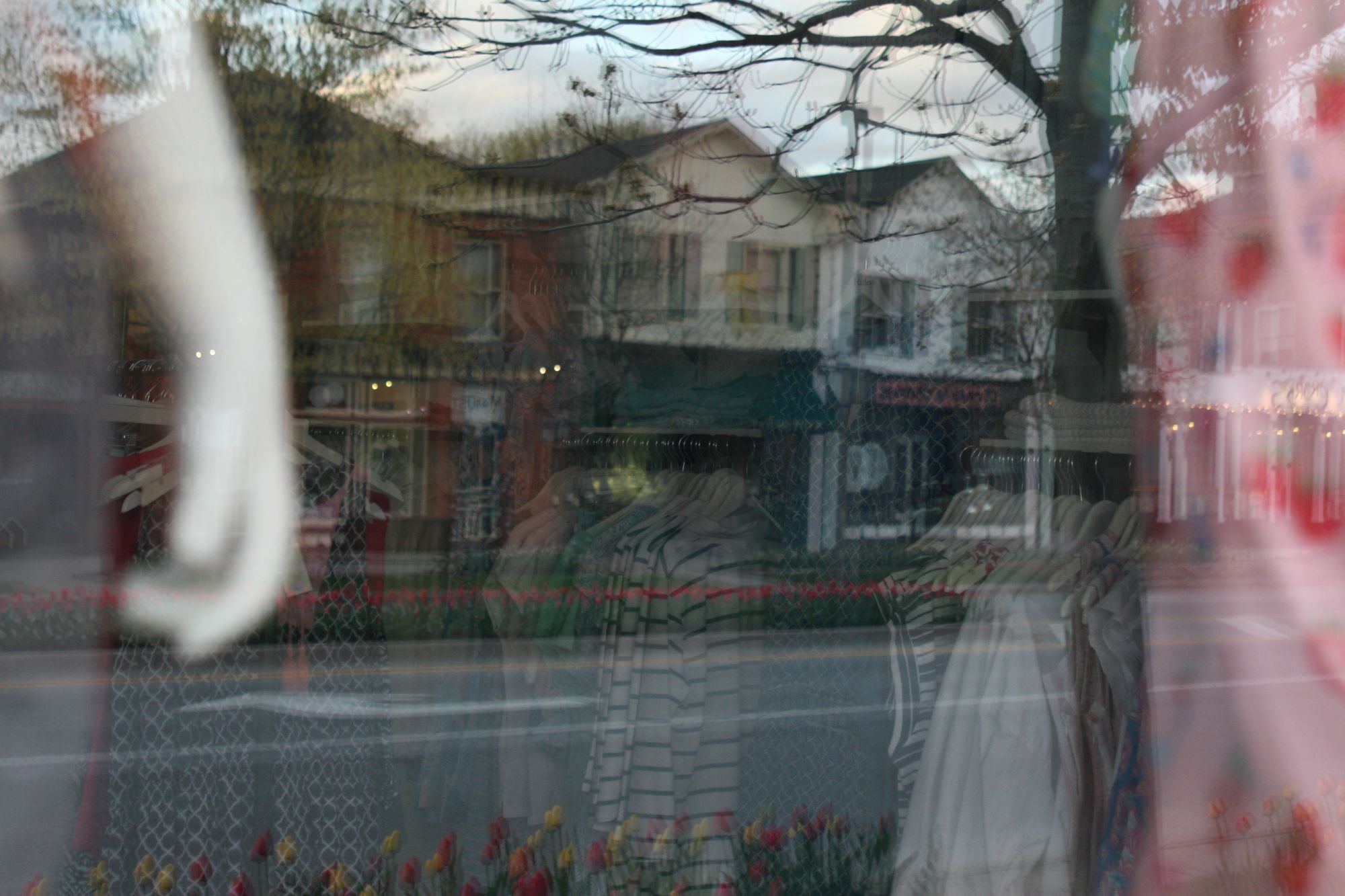
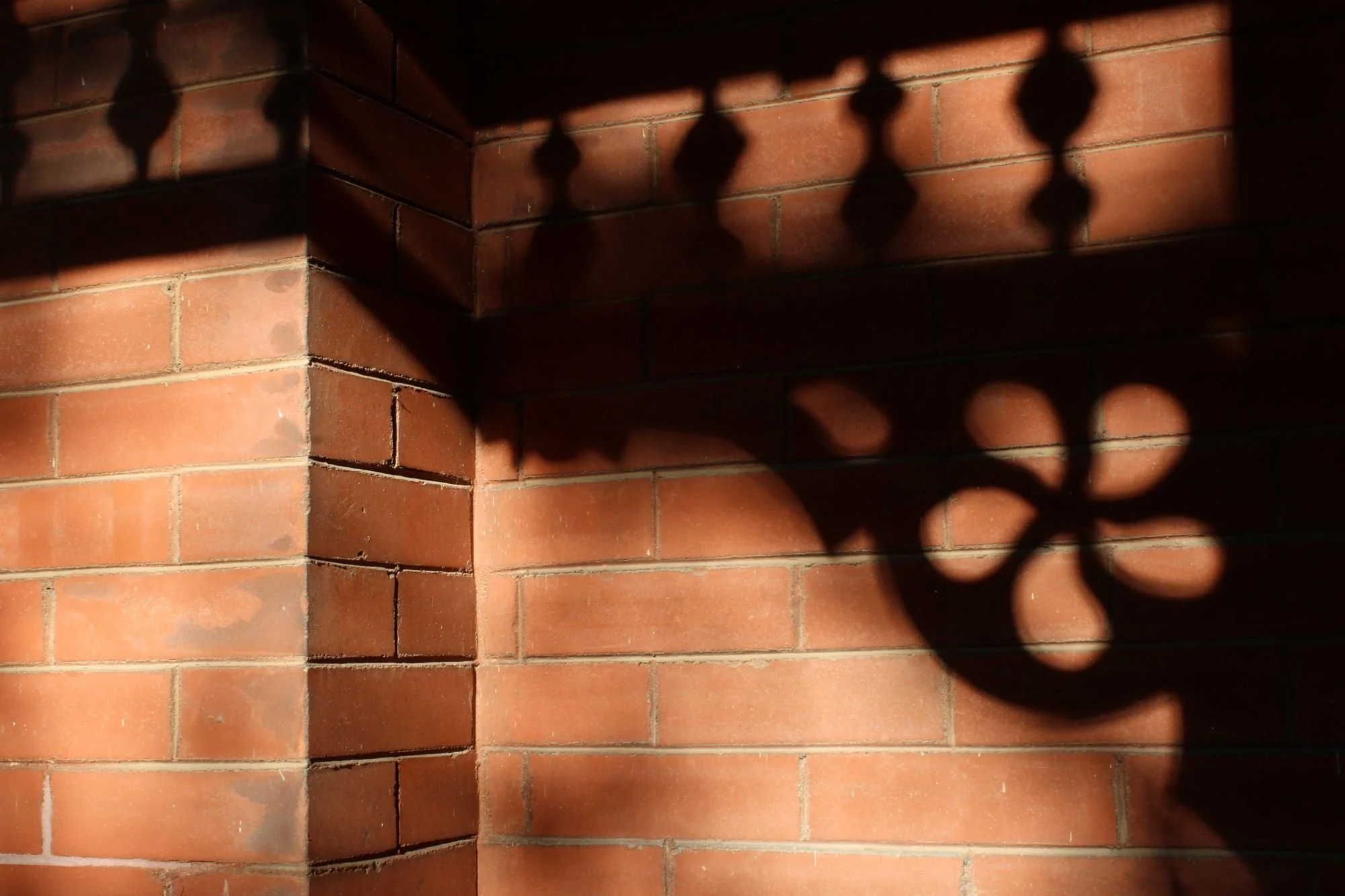
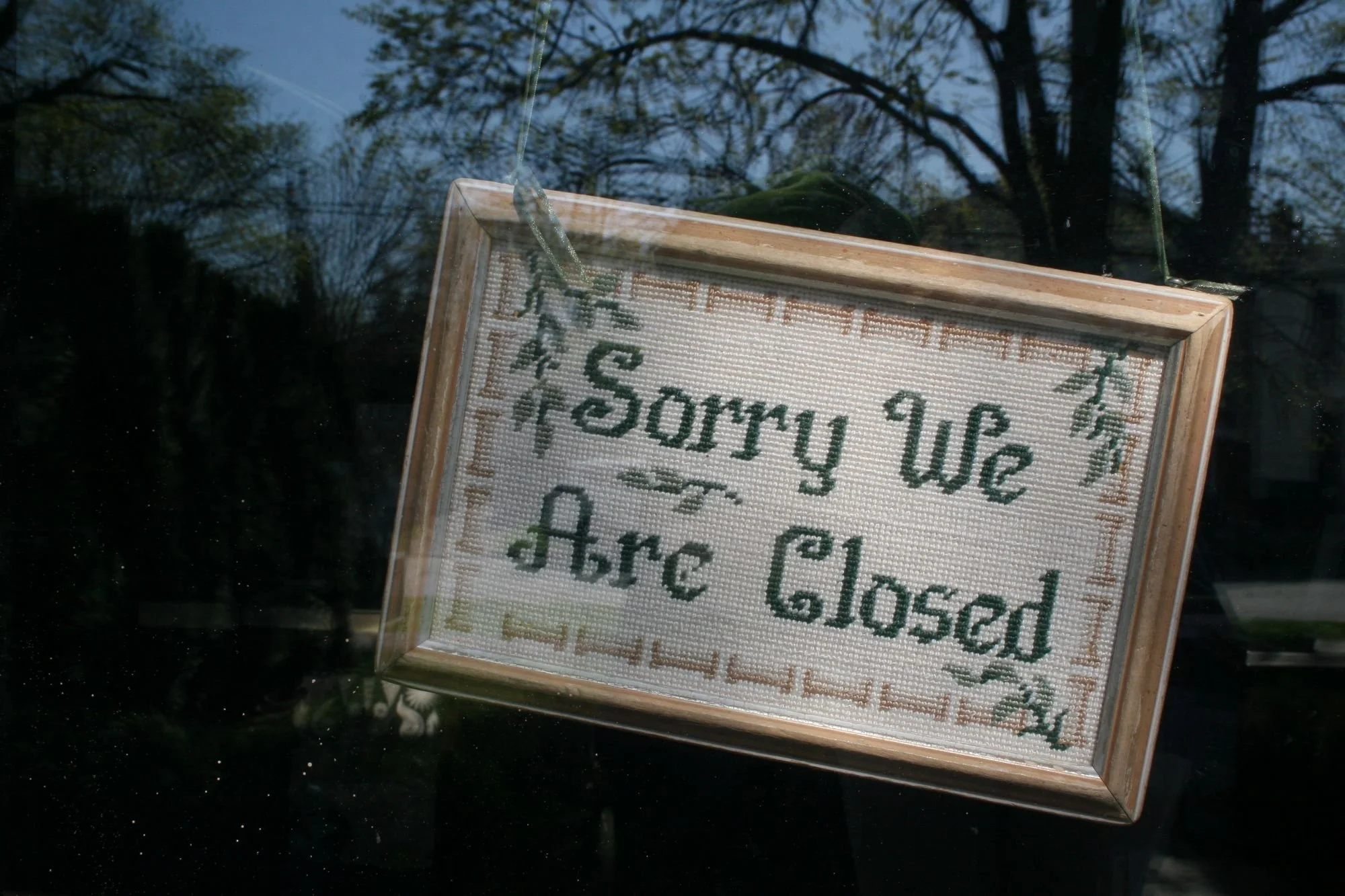
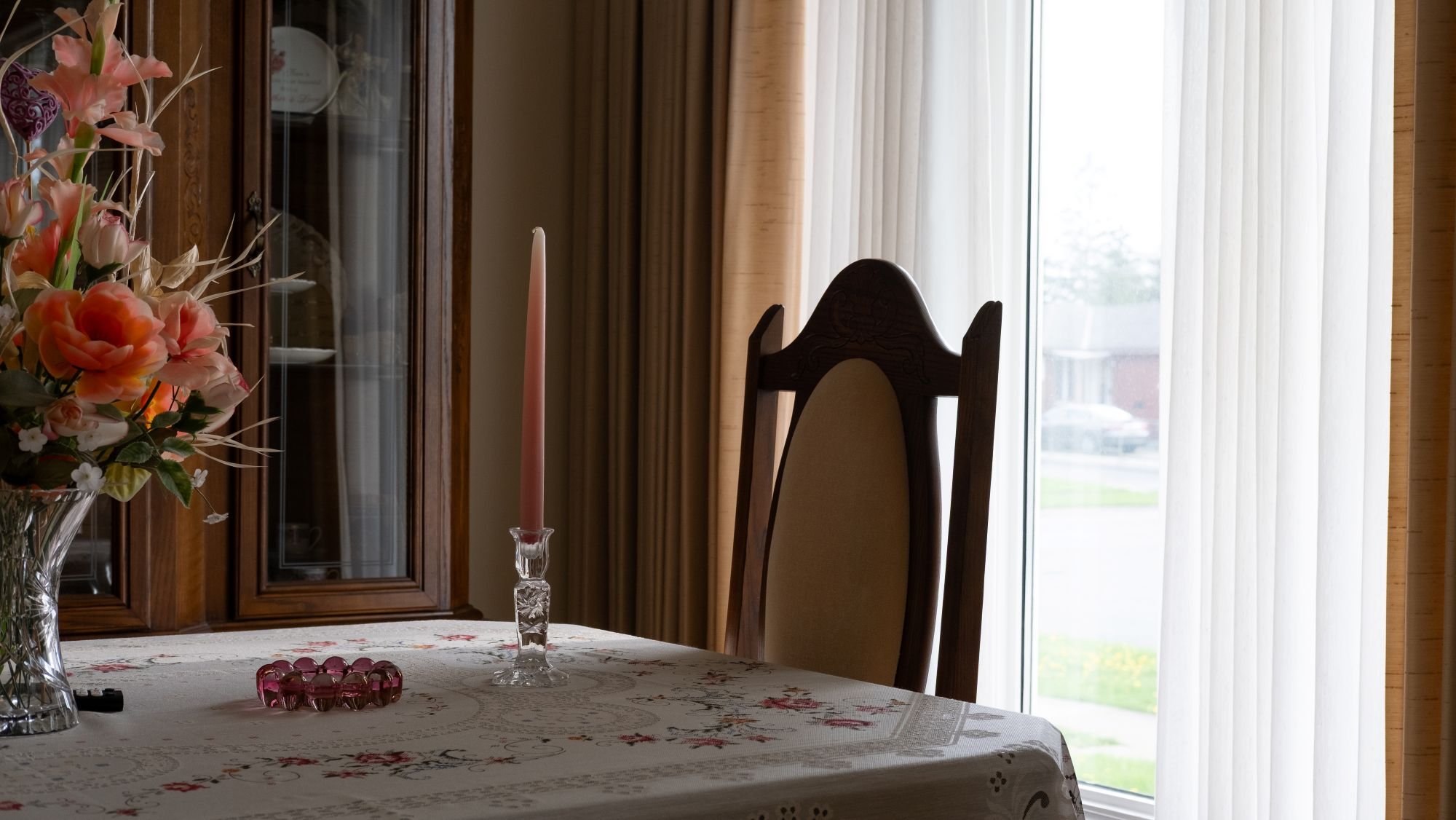
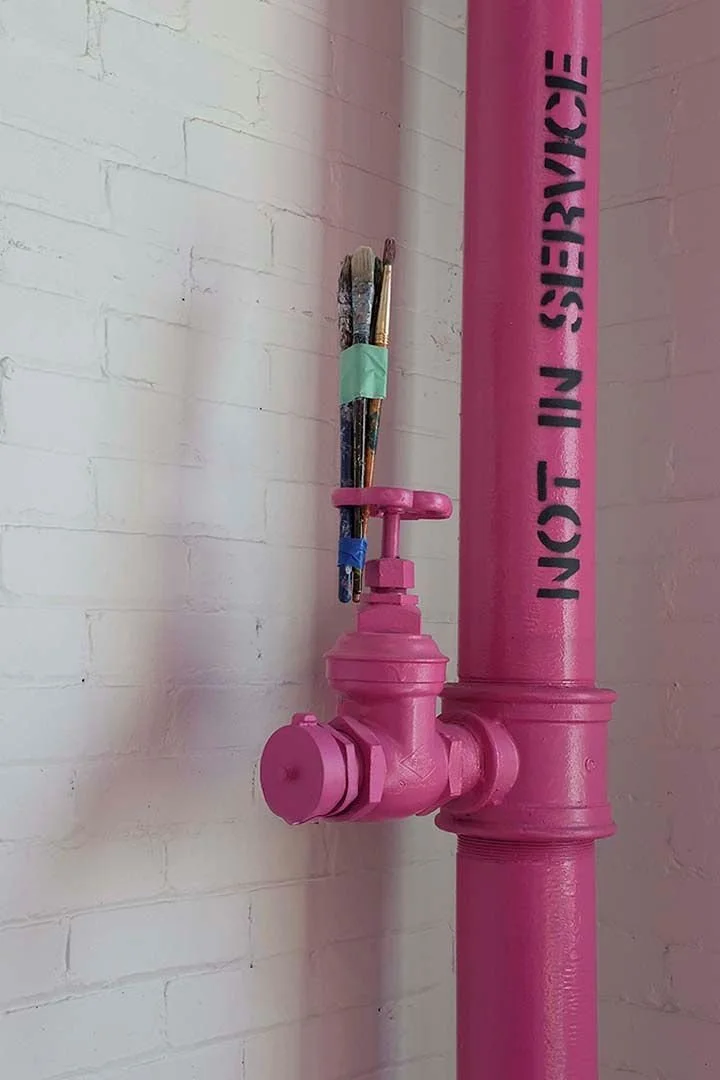
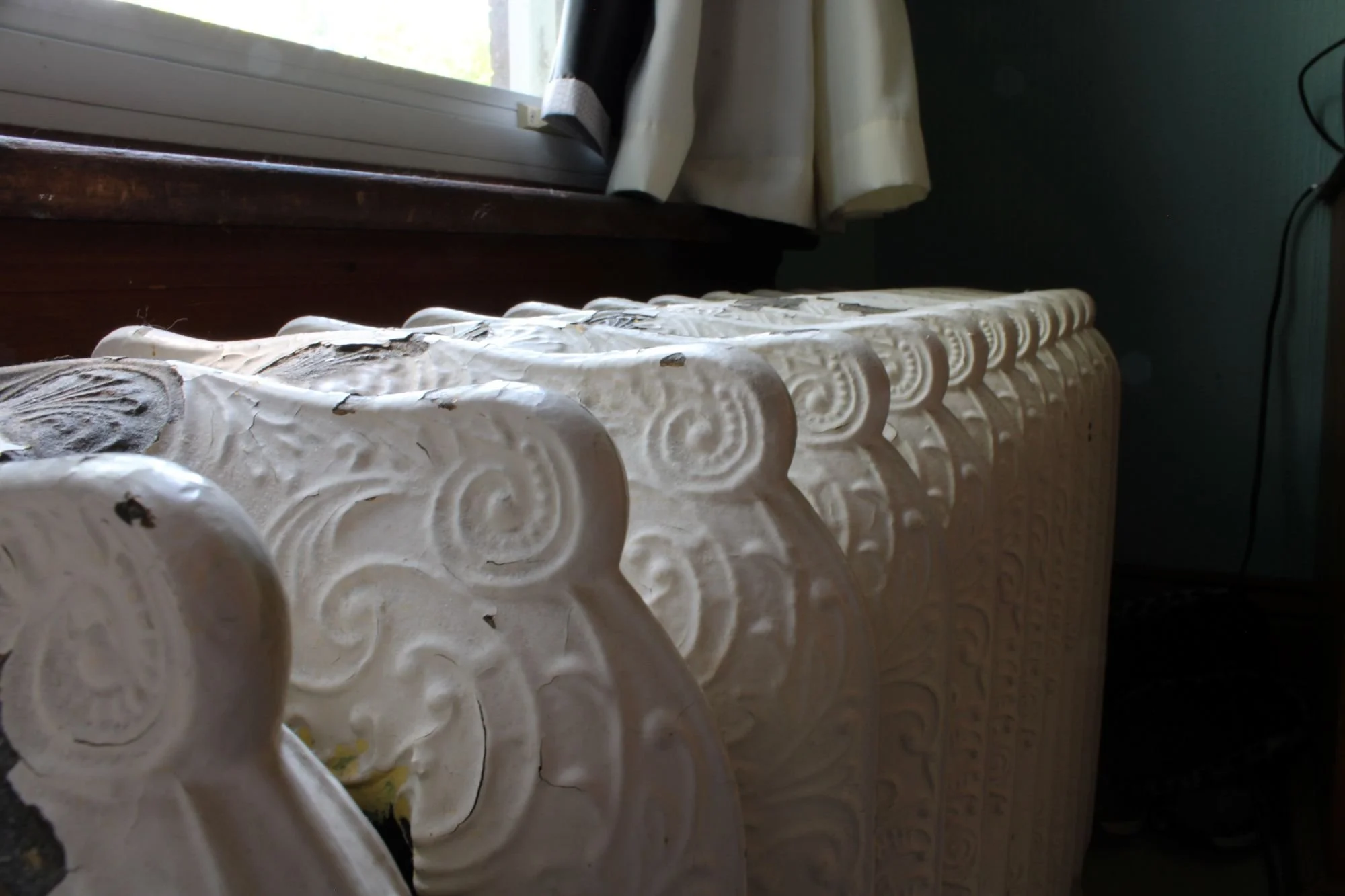
Please enjoy some photographs taken by our Places That Speak workshop participants!


Planning Your Visit
Places that Speak is available for self-guided viewing during our regular operating hours as well as by appointment on set days.
Drop-in Hours: May 21-23 & May 28-30, 10 a.m. – 4 p.m.
By Appointment: May 25-27, 10 a.m. – 4 p.m.
We kindly ask that you email program@thebrownhomestead.ca if:
You would like to book an appointment to visit the exhibit outside of our regular hours
You are planning to visit with a group of 6 or more during regular operating hours
You would also like a guided tour of The Brown Homestead when you visit the exhibit
Footnotes
[1] A daguerreotype is an early photographic process introduced in 1839 that produced a detailed image on a silver-coated copper plate. Encyclopedia Britannica, n.d.
[2] Lyons, C. L., Papadopoulos, J. K., Stewart, L. S., & Szegedy-Maszak, A., Antiquity & Photography: Early Views of Ancient Mediterranean Sites,(2005), p. 4, accessed from the J. Paul Getty Museum.
[3] Aubenas, S., 2002, “Le Gray et la mission héliographique,” BnF Essentiels.
[4] The science of making reliable measurements by the use of photographs, especially aerial photographs used in surveying. Merriam-Webster, n.d.
[5] Wheelock, M., & Weaver, K., Berenice Abbott: A View of the 20th Century [Documentary Film], Wild West Woman Inc., 1992, accessed from YouTube.